From Flat to Cinematic: Mastering Lighting for Video
Painting with Light: A Filmmaker's Guide to Lighting Setups
In filmmaking, lighting is everything. It sets the mood, directs the viewer's eye, and transforms a flat image into a three-dimensional, cinematic world. Understanding the fundamentals of lighting is one of the most important skills a filmmaker can develop. This guide breaks down the essential lighting equipment and setups you need to know in 2025.
The Building Blocks: Types of Lights
Before diving into setups, it's important to know the roles different lights play.
- Key Light: This is your main light source. It's the brightest light in your setup and is responsible for illuminating your subject and creating the primary shadows that define their form.
- Fill Light: Placed on the opposite side of the key light, the fill light "fills in" the harsh shadows created by the key. It's usually less intense and helps control the overall contrast of the scene.
- Backlight (or Hair Light): Positioned behind the subject, the backlight separates them from the background. It creates a subtle rim of light around the subject's hair and shoulders, adding depth and preventing the scene from looking flat.
Essential Lighting Gear for 2025
Modern lighting technology has made professional results more accessible than ever.
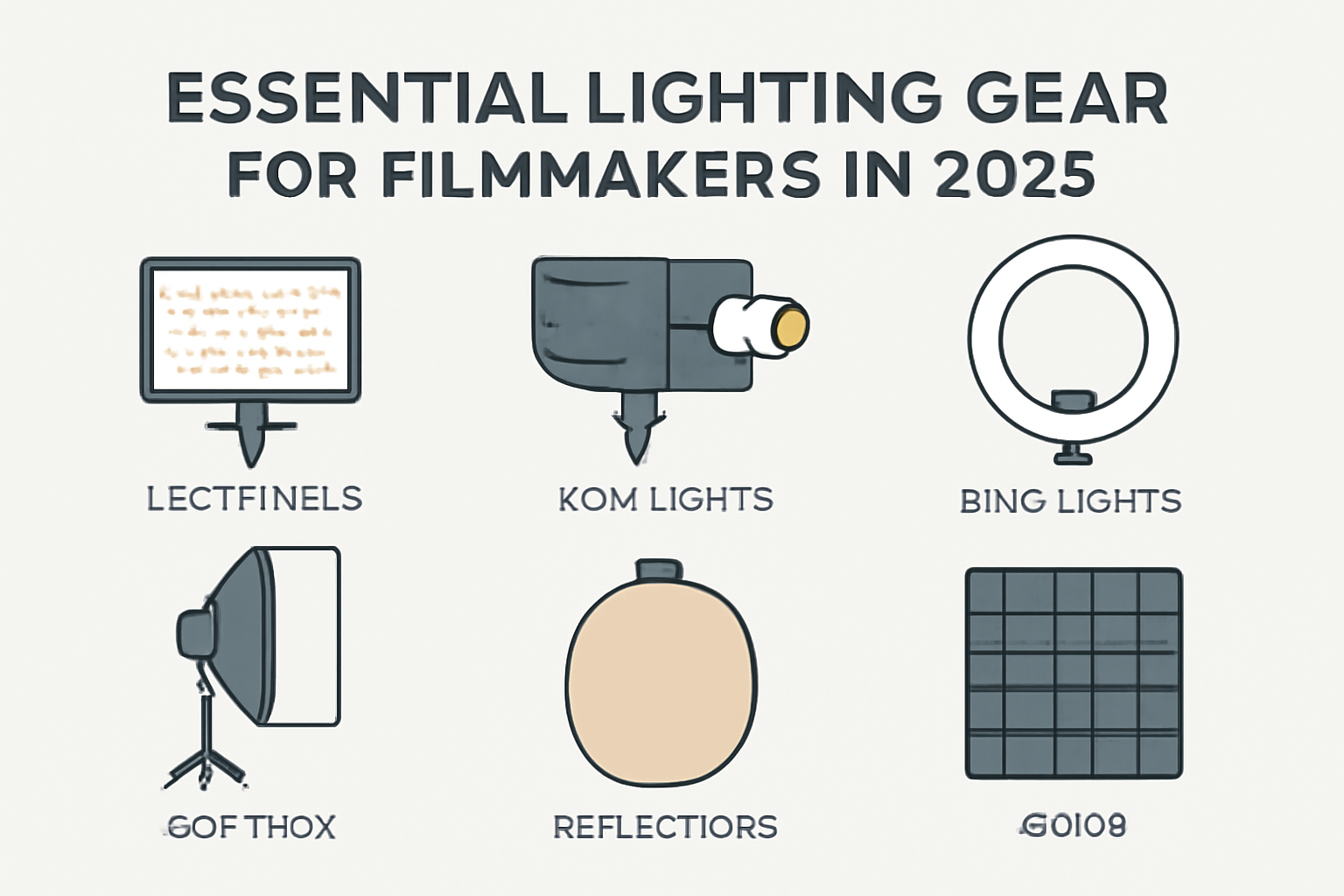
- LED Panels: The workhorse of modern filmmaking. Brands like Aputure and Neewer offer powerful, versatile LED panels. Look for bi-color models that allow you to adjust color temperature (from warm to cool) and RGB models that can create any color you can imagine. Many are compact, battery-powered, and have high CRI/TLCI ratings for accurate color reproduction.
- COB Lights: Chip-on-Board (COB) lights pack a powerful punch from a single source. Their main advantage is the ability to use modifiers like softboxes and fresnel lenses, thanks to the common Bowens mount.
- Ring Lights: Perfect for vlogging, tutorials, and beauty shots, a ring light provides even, shadowless illumination by placing the light source around the lens.
- Light Modifiers: These are tools that shape your light. A softbox diffuses light for a soft, flattering look. A reflector bounces existing light to fill in shadows. Grids (or "egg crates") narrow the beam of light for more controlled, dramatic effects.
Classic Lighting Setups Every Filmmaker Should Know
With your gear ready, you can start creating classic lighting setups.
- Three-Point Lighting: The industry standard for a reason. This setup uses a key light, a fill light, and a backlight to create a balanced, professional, and three-dimensional look. It's incredibly versatile and works for everything from interviews to narrative scenes.
- Loop Lighting: A simple and flattering setup, often used for portraits. The key light is placed slightly above and to the side of the subject to create a small "loop" of shadow from the nose. It's a great starting point when you're working with a limited number of lights.
- Rembrandt Lighting: For a more dramatic and moody feel, Rembrandt lighting (named after the painter) uses a single key light to create a small, inverted triangle of light on the subject's cheek. This setup thrives on contrast and shadow.
Experimenting is key. Start with a three-point setup and see what happens when you adjust the intensity or position of each light. The more you practice, the more intuitive lighting will become, allowing you to truly "paint with light" and bring your cinematic vision to life.


Comments
Post a Comment